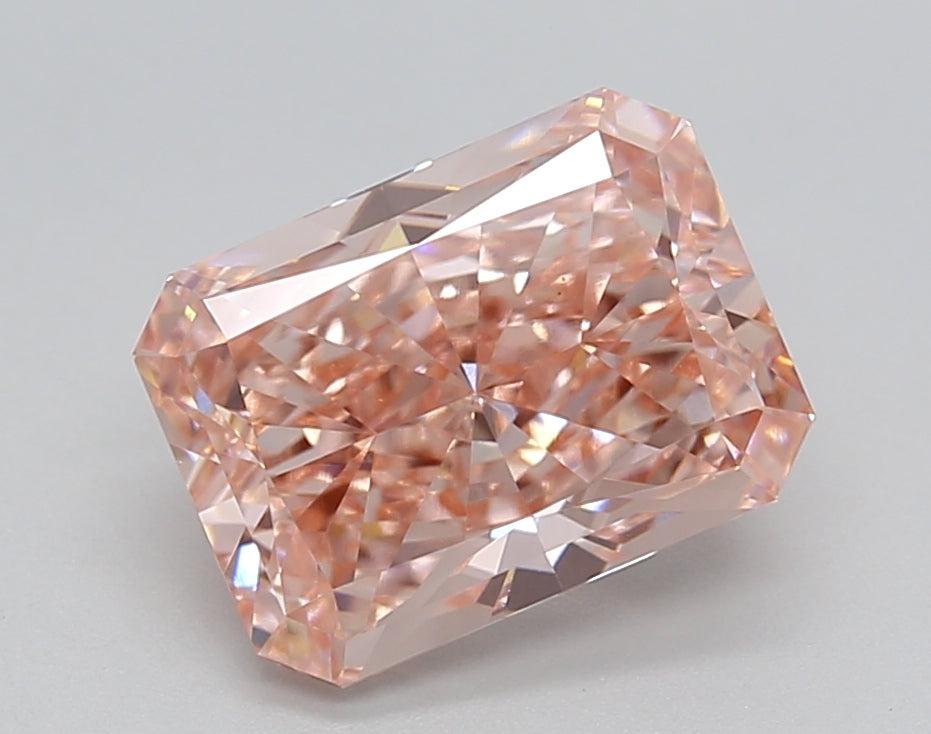
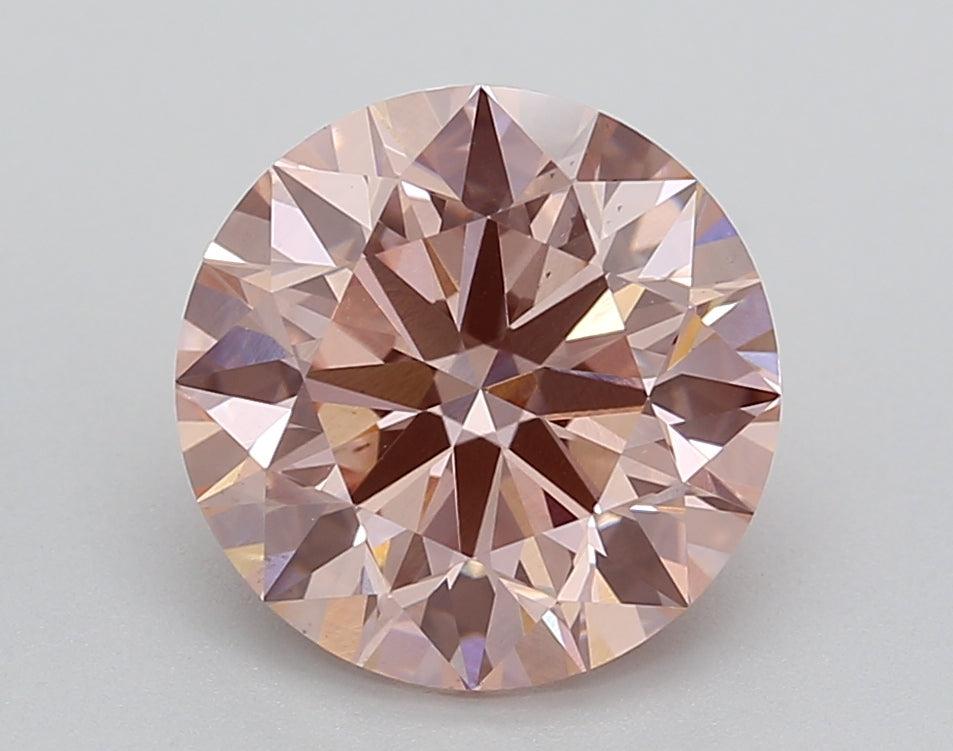
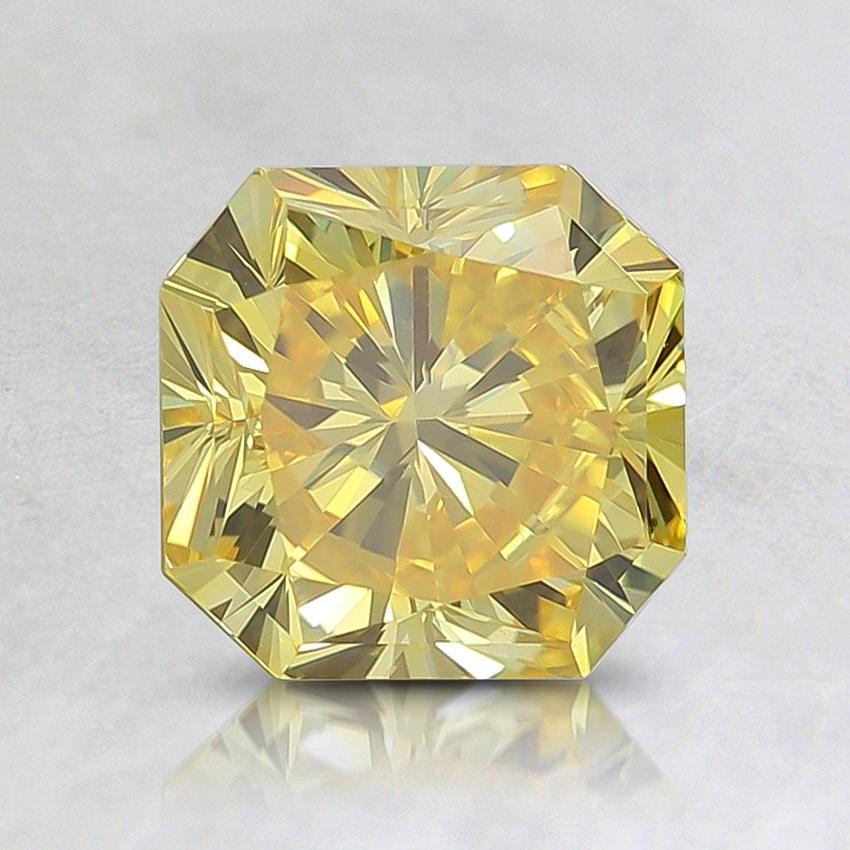
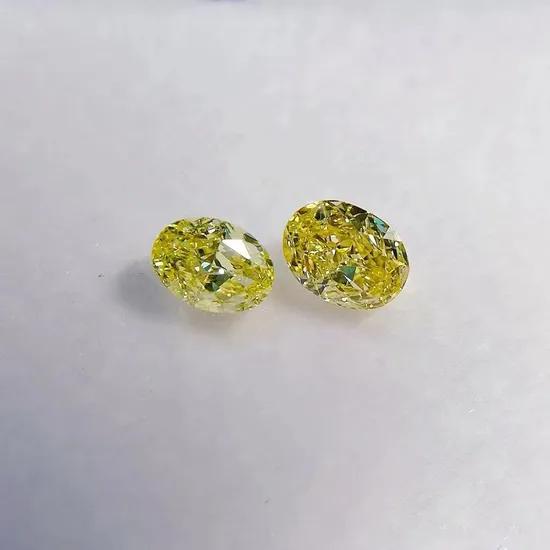
Product details
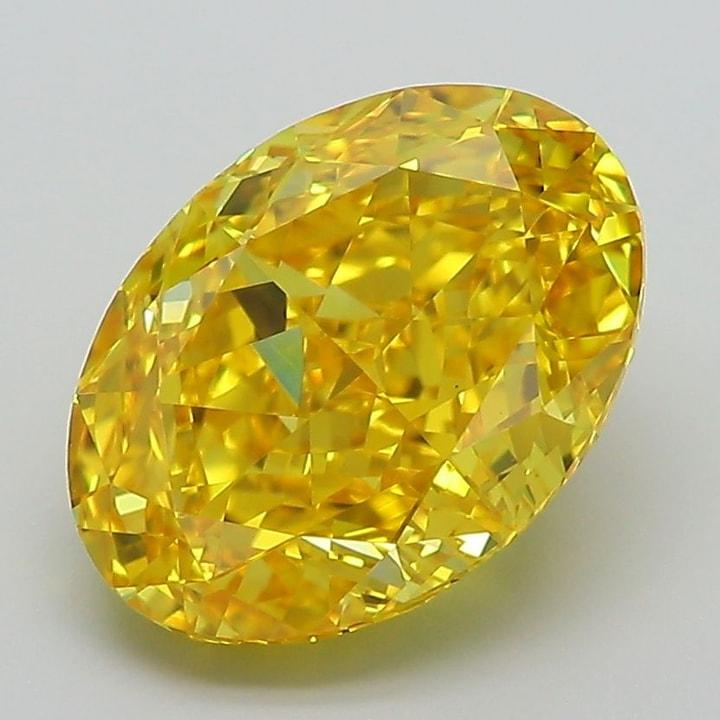
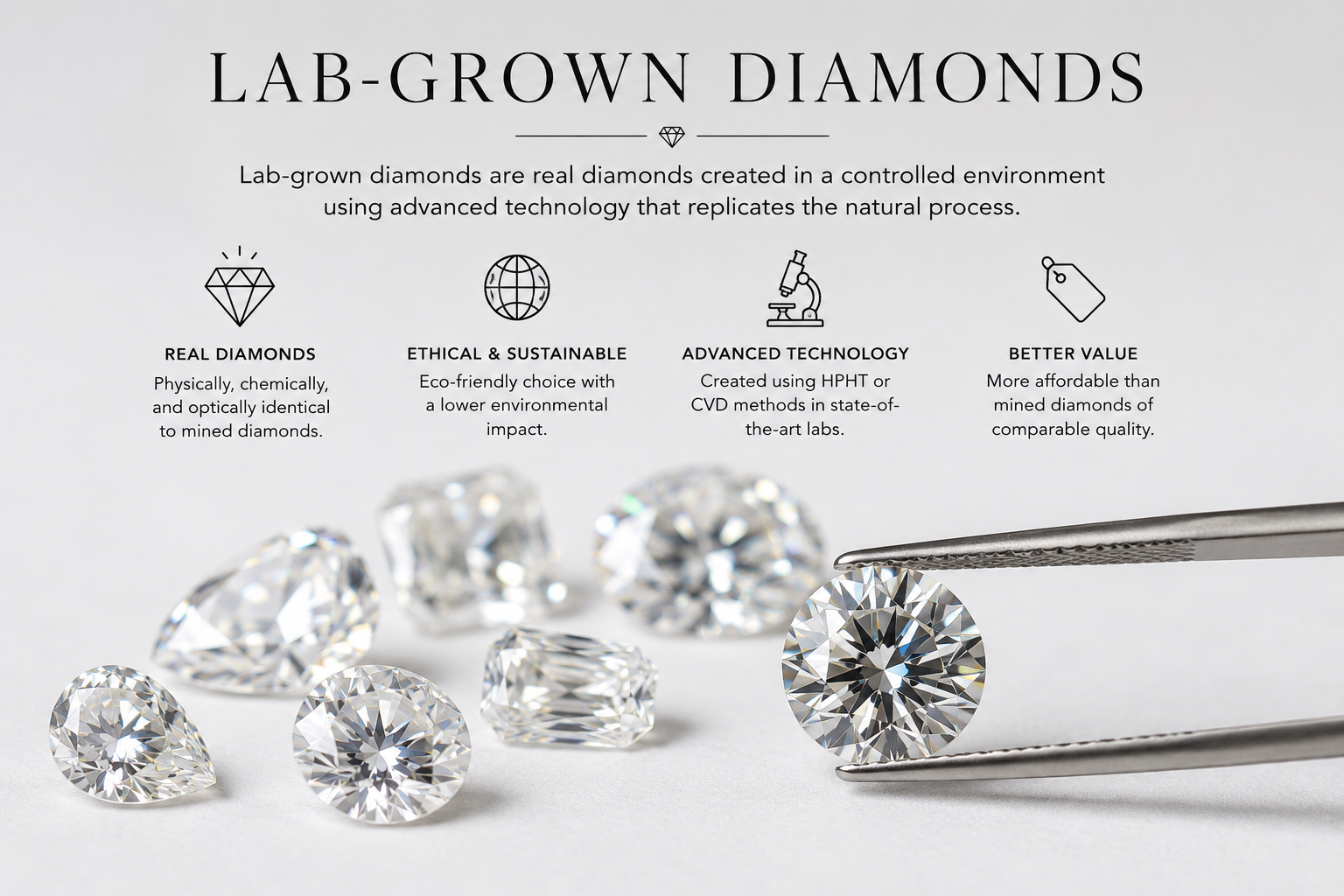
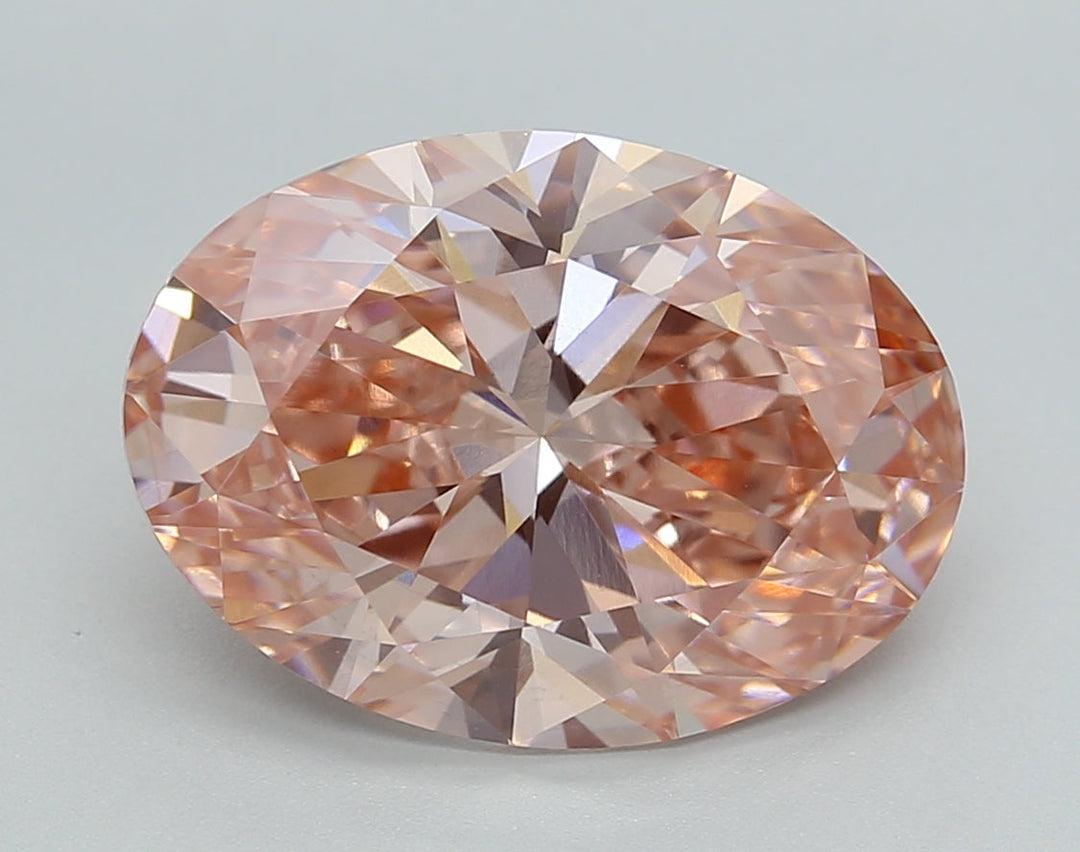
Lab-grown diamonds (also called synthetic or man-made diamonds) are real diamonds created in controlled environments instead of forming naturally underground. They have the same chemical composition (pure carbon) and crystal structure as natural diamonds—so visually and physically, they’re essentially identical.
How they’re made
There are two main methods:
- HPHT (High Pressure High Temperature): Mimics the intense heat and pressure found deep inside the Earth.
- CVD (Chemical Vapor Deposition): Grows diamonds layer by layer from carbon-rich gas in a vacuum chamber.
Both methods produce stones that pass standard diamond tests.
Lab-grown vs natural diamonds
Key differences:
- Origin:
- Natural = formed over billions of years underground
- Lab-grown = created in weeks in a lab
- Price:
- Lab-grown diamonds are typically 30–70% cheaper
- Appearance:
- No visible difference to the naked eye
- Even experts need specialized equipment to tell them apart
- Environmental impact:
- Lab-grown are generally considered more eco-friendly (though energy use varies)
- Resale value:
- Natural diamonds tend to hold value better
- Lab-grown resale is usually lower
Are they “real” diamonds?
Yes. Unlike cubic zirconia or moissanite, lab-grown diamonds are not simulants—they are genuine diamonds with the same hardness (10 on the Mohs scale), brilliance, and durability.
There are no reviews yet.